If you’ve spent any time in homeschool Facebook groups, you’ve probably seen the same question over and over again:
“What’s the best homeschool curriculum?”
If you’ve spent any time in homeschool Facebook groups, you’ve probably seen the same question over and over again:
“What’s the best homeschool curriculum?”
Homeschooling families can use available funding to enroll in Academy classes, making high-quality education accessible and flexible for your needs. Below, you’ll find a list of scholarships and funding opportunities designed to support homeschool learners. Additionally, the Academy is happy to partner with state programs as an approved vendor upon request, streamlining the process to […]
Why are so many people so strongly against homeschooling? After a recent TikTok brought in comments from non-homeschoolers questioning the choice, I started thinking about why education has become such a divisive topic. I’m not here to convince every family to homeschool. I’m here to advocate for families having the freedom to choose the educational path that works best for their children.

If you are starting a new homeschool year and already wondering whether you are doing enough, choosing the right curriculum, or somehow going to make your child fall behind, take a breath.
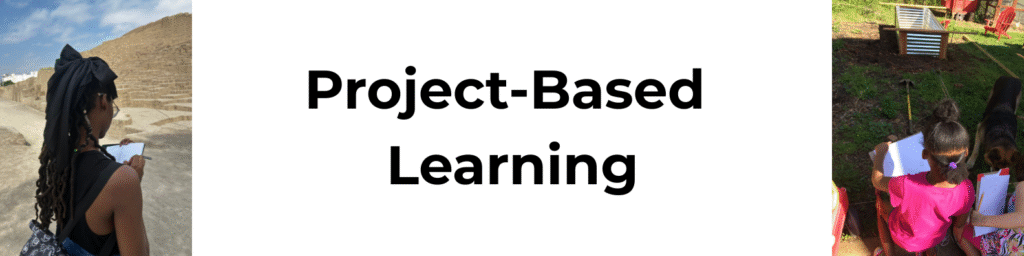
Project-based learning gives homeschooling families the freedom to turn a child’s interests, questions, and real-world experiences into meaningful learning. Learn how to use projects to connect multiple subjects, build academic skills, and create engaging homeschool experiences without making your homeschool complicated.

Learn how to create a homeschool literature unit study from any novel. This guide walks parents through annotating books, developing discussion questions, creating writing assignments, and adding cross-curricular activities to make reading more engaging.
If your child groans every time it’s time to write, you’re not alone. Many homeschooling parents worry that their middle or high schooler simply “hates writing.” In reality, most reluctant writers don’t dislike writing itself. They dislike feeling overwhelmed, unsure where to begin, or afraid of making mistakes. The good news is that writing confidence […]

One of the biggest questions homeschooling parents face during the high school years is this one: Should I graduate my child and issue a homeschool diploma, or should my child complete a GED program?
There is no one right answer. Both options can open doors. The best choice depends on your child, your state requirements, and what your teen plans to do next.

One of my more controversial homeschool opinions is that homeschool parents should spend time learning about child development, how children learn, and evidence-based teaching practices.
Before you panic, let me be clear…
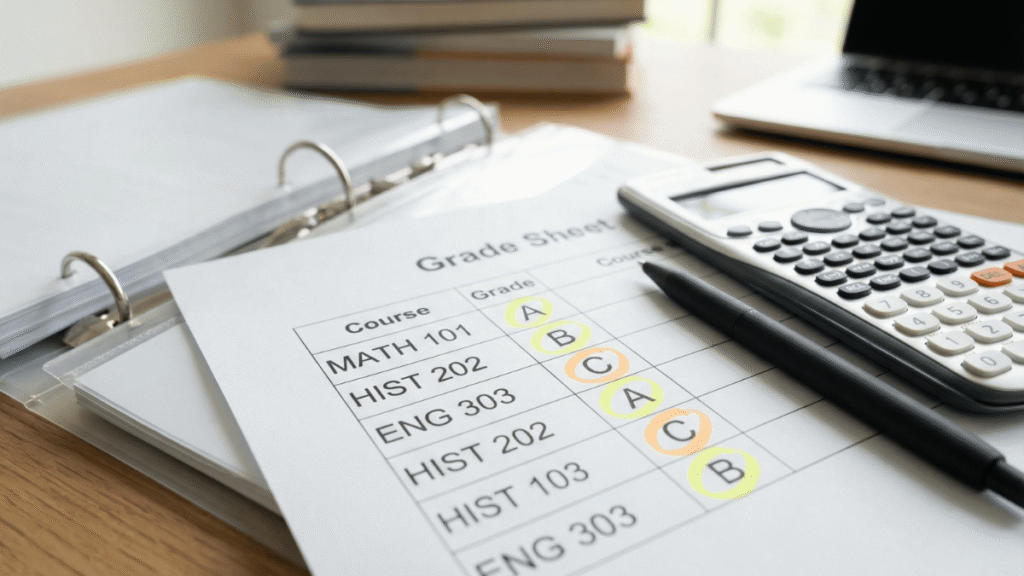
Grading is one of the most debated parts of education right now.
Recently, Edutopia shared a post about why teachers should grade less frequently and I completely understand the point. Too much grading can create stress for students, burnout for teachers, and honestly, it doesn’t always measure true learning.
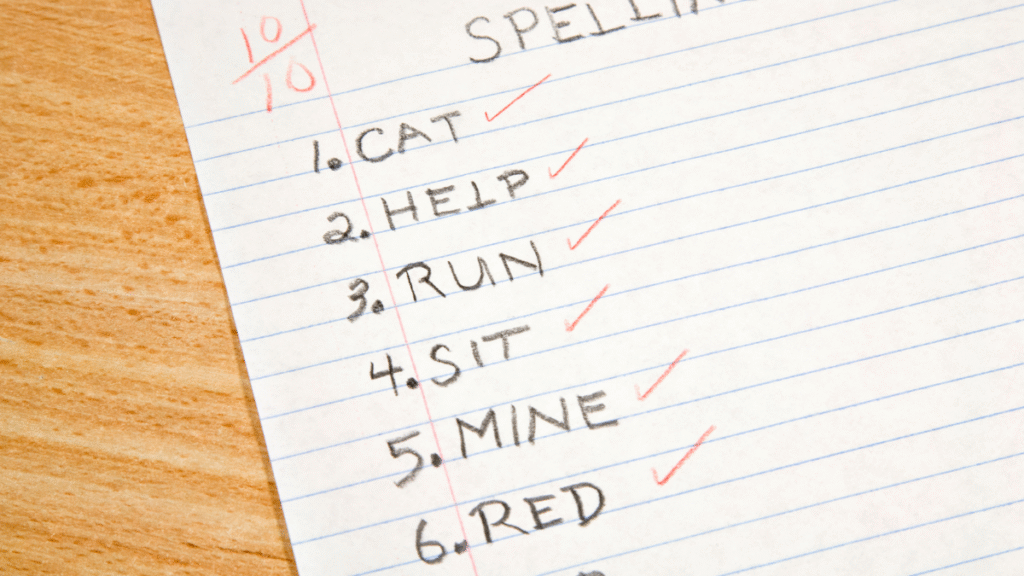
If you spend any time in homeschool or parenting groups, you’ve probably seen the same concern come up again and again.
“My child has great ideas, but the spelling is terrible.”
“Should I correct every mistake?”
“Does poor spelling mean my child is a bad writer?”